Get Natural Gas Line Service
Natural Gas Line Service providers handle installation, repair, and maintenance of gas lines for appliances, heating systems, and new property setups.
Natural gas line services are essential for property owners considering upgrades or new installations that enhance convenience and efficiency. Whether planning to add a gas-powered appliance, improve existing infrastructure, or ensure a reliable connection for heating and appliances, understanding local options can help make informed decisions. Exploring the services offered by nearby contractors allows property owners to compare solutions and find the right fit for their specific project needs.
By reviewing available local contractors specializing in natural gas line work, property owners can identify experienced professionals capable of handling a variety of project scopes. Keeping options open and gathering information about local service providers can support careful planning and help ensure the work aligns with property requirements. Continuing to explore the available services can lead to a well-informed approach to natural gas line projects.
- Natural Gas Line Installation - needed when installing a new natural gas supply for appliances or heating systems.
- Gas Line Repair - required when experiencing leaks, damage, or issues with existing natural gas lines.
- Gas Line Replacement - necessary when existing lines are outdated, corroded, or no longer safe to use.
- Gas Line Inspection - recommended for identifying potential issues or ensuring compliance before major appliance upgrades.
- Gas Line Maintenance - performed to keep natural gas lines functioning safely and efficiently over time.
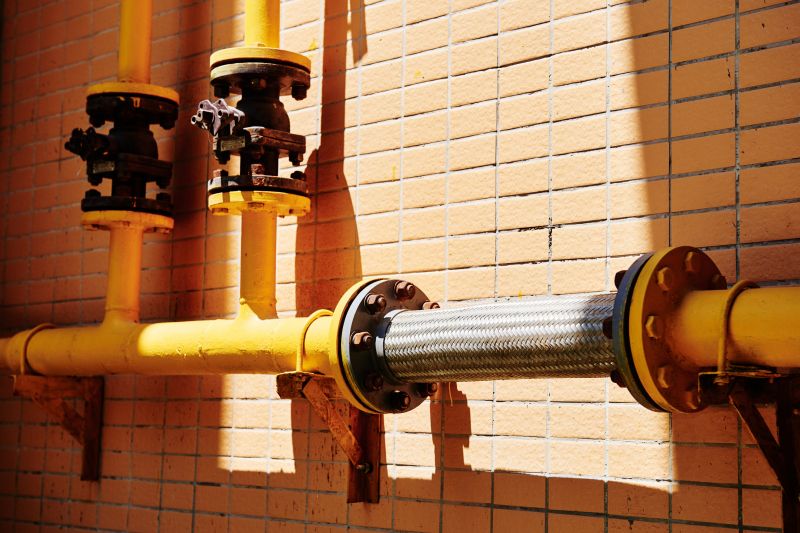
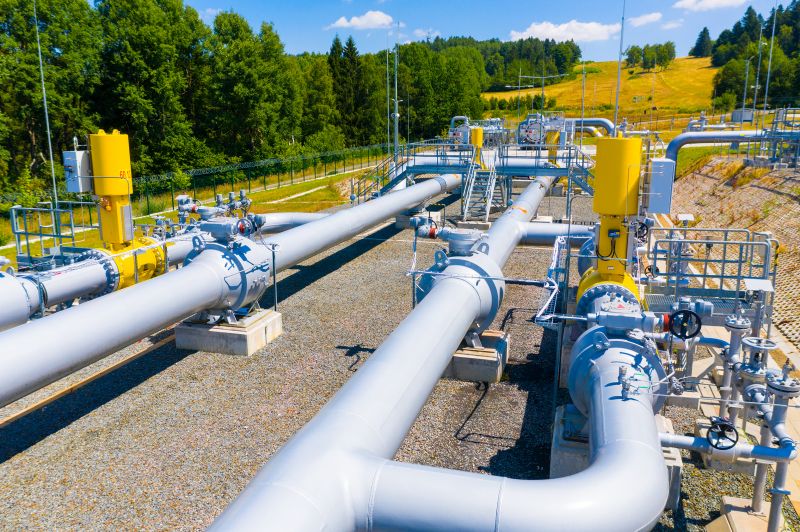
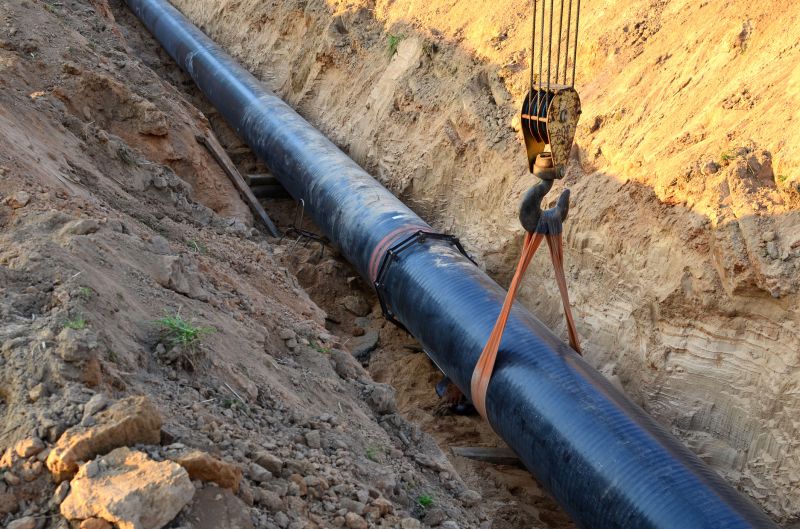
Natural gas line services involve installing, repairing, and maintaining the pipelines that deliver natural gas from the main supply to a property’s appliances and systems. These services ensure that the gas lines are properly connected and functioning safely, providing a reliable source of energy for heating, cooking, water heating, and other household needs. Skilled service providers work with property owners to assess existing lines, upgrade outdated infrastructure, or install new pipelines to meet the specific requirements of a home or commercial building.
Many common problems can indicate the need for natural gas line services. These include the smell of gas, which may suggest a leak; inconsistent or weak gas flow; or visible damage to existing pipelines such as corrosion, cracks, or leaks. Additionally, if a property is undergoing renovations or additions that require new gas appliances or fixtures, professional line installation is necessary. Addressing these issues promptly helps prevent potential hazards and ensures that gas systems operate efficiently and safely.
Natural gas line services are typically used by a variety of properties, including single-family homes, multi-unit residential buildings, and small commercial establishments. Homes that rely on natural gas for heating, cooking, or hot water often need regular inspections, repairs, or upgrades to keep their systems safe and functional. Commercial properties with gas-powered equipment or appliances also frequently require professional line services to meet safety standards and support their operational needs. These services are essential whenever new gas appliances are installed or existing lines show signs of deterioration.
Homeowners who notice issues with their gas supply or are planning upgrades should consider reaching out to local contractors specializing in natural gas line services. Professional service providers can evaluate existing pipelines, identify potential problems, and recommend appropriate solutions. Whether installing new lines, repairing leaks, or upgrading outdated infrastructure, connecting with experienced local contractors ensures that the work is handled safely and efficiently. This helps maintain a secure gas system that supports the daily needs of the property.
The overview below groups typical Natural Gas Line Service projects into broad ranges so you can see how smaller, mid-sized, and larger jobs often compare in your area.
In many markets, a large share of routine jobs stays in the lower and middle ranges, while only a smaller percentage of projects moves into the highest bands when the work is more complex or site conditions are harder than average.
Smaller Repairs - Most routine repairs, such as fixing a leak or replacing a section of pipe, typically cost between $250 and $600. These projects are common and usually fall within the middle of the cost range. The actual price can vary based on the specific repair needs and local contractor rates.
Line Installations - Installing a new natural gas line for appliances or outdoor use generally ranges from $1,000 to $3,000. Many standard installations are completed within this range, though larger or more complex setups can cost more. Factors like distance and accessibility influence the final price.
Full Line Replacement - Replacing an entire natural gas line system can range from $3,500 to $8,000 or more. Such projects are less common and tend to fall into the higher end of the spectrum, especially if extensive excavation or upgrades are needed. The scope of work significantly impacts the overall cost.
Large-Scale Projects - Major upgrades or extensive pipeline replacements can reach $10,000 or higher, especially for large properties or complicated installations. While these are less frequent, local contractors can provide estimates based on the specific project requirements. Costs vary widely depending on the project's complexity and size.
Actual totals will depend on details like access to the work area, the scope of the project, and the materials selected, so use these as general starting points rather than exact figures.
Natural Gas Line Installation - Local contractors can handle the installation of new natural gas lines for residential or commercial properties, requiring similar planning and pipework skills.
Gas Appliance Hookup Services - Connecting appliances like stoves, furnaces, or water heaters to existing natural gas lines involves precise connections and safety considerations performed by local pros.
Gas Line Repair and Replacement - Repairing or replacing damaged or outdated natural gas lines requires careful planning and the use of specialized tools, similar to new line installations.
Underground Utility Line Installation - Installing underground utility lines, including gas, involves trenching, pipe laying, and safety protocols akin to natural gas line services.
Gas Leak Detection and Repair - Identifying and fixing gas leaks involves skills in leak detection methods and pipe repairs, paralleling those used in gas line servicing projects.
Outdoor Gas Line Extension Projects - Extending natural gas lines to outdoor areas for grills or heating systems involves planning and pipework similar to main line services.
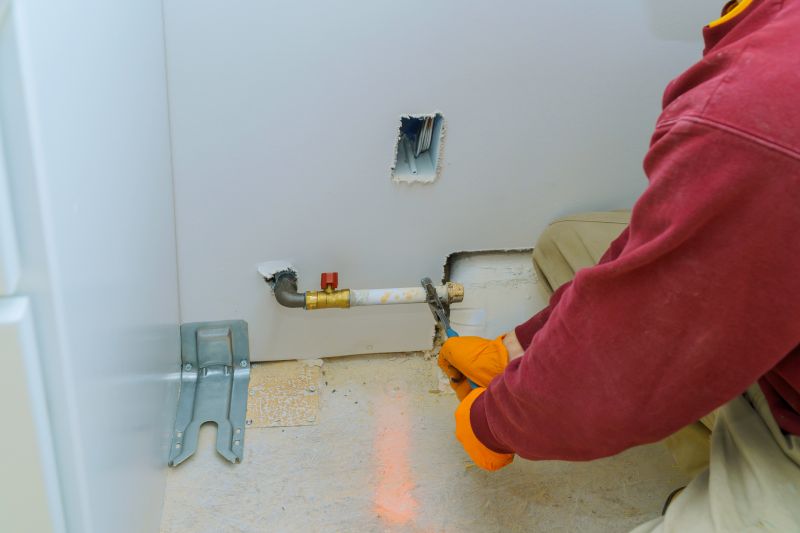
When evaluating service providers for natural gas line work, it’s important to consider their experience with similar projects. Homeowners should look for local contractors who have a proven track record of handling natural gas line services comparable to the scope of their own project. This can include understanding the complexity of the installation, repair, or upgrade needed, as well as familiarity with local codes and regulations. An experienced professional is more likely to anticipate potential challenges and deliver results that meet safety and quality standards.
Clear, written expectations are essential when comparing local pros for natural gas line services. Homeowners should seek providers who can offer detailed proposals outlining the scope of work, materials to be used, and any necessary permits or inspections. Having this information in writing helps ensure everyone is on the same page and reduces misunderstandings. It also provides a reference point for evaluating the professionalism and thoroughness of each service provider, making it easier to identify those who are transparent and organized.
Reputable references and good communication are key factors in choosing a reliable local contractor. Homeowners can ask for references from previous clients who had similar work done and inquire about their experiences. Additionally, effective communication throughout the process-such as responsiveness to questions and clarity in explanations-can indicate a contractor’s professionalism and commitment to customer service. Since this site introduces homeowners to local options rather than performing the work itself, taking the time to compare these aspects among different service providers can help ensure a smooth and successful project.
Property owners use Natural Gas Line Service services for practical projects around their homes and businesses. This guide focuses on everyday jobs and straightforward project options.
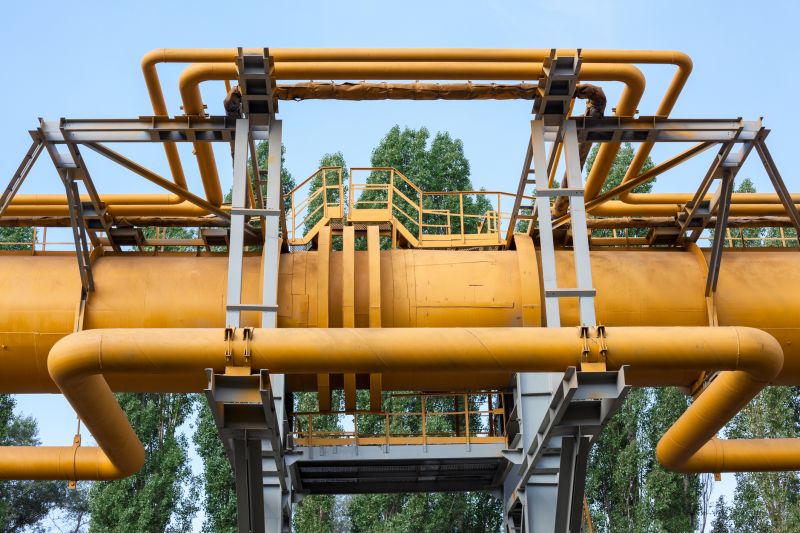
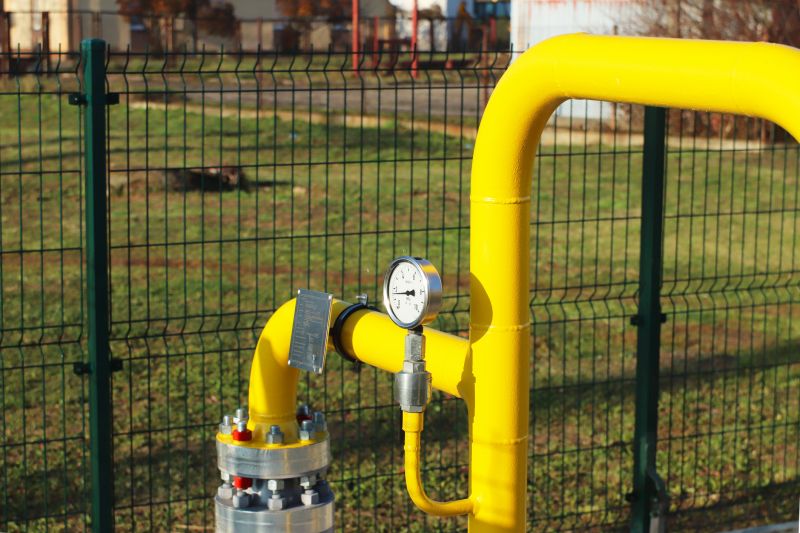
Natural gas line services are often needed for routine upgrades, repairs, or new installations around residential properties. Property owners might seek assistance when adding a new gas appliance, replacing outdated piping, or ensuring existing lines are functioning properly. Local contractors can handle these projects efficiently, helping homeowners maintain safe and reliable gas connections for heating, cooking, or other household needs.
In addition, property owners may look for natural gas line services when experiencing issues like leaks or inconsistent gas flow. Whether upgrading to more modern fixtures or addressing safety concerns, local service providers are equipped to assess and resolve these common situations. Connecting with experienced local contractors can make it easier to manage natural gas infrastructure safely and effectively.
How do I know if my property has an existing natural gas line? A local contractor can assess your property to determine if a natural gas line is already installed or if a new line needs to be added.
What are the typical steps involved in installing a natural gas line? Installation generally includes planning the route, obtaining necessary permits, digging, laying the pipe, and testing the system, all handled by experienced service providers.
Can natural gas lines be extended or modified? Yes, local service providers can extend or modify existing natural gas lines to accommodate new appliances or changes in your property’s layout.
What should I consider before having a natural gas line installed? It’s important to evaluate the location of appliances, accessibility, and safety considerations, which a professional contractor can help determine.
Are there any restrictions or regulations for natural gas line services? Regulations vary by location, so consulting with local contractors ensures compliance with applicable codes and standards.
Installing a new natural gas line - property owners can add a natural gas line to support outdoor appliances like grills or fire pits for convenient outdoor cooking and entertainment.
Upgrading existing gas infrastructure - homeowners may want to improve or expand their current gas lines to accommodate new appliances or increased usage.
Repairing or replacing old gas lines - property owners can ensure safety and efficiency by having worn or damaged gas lines inspected and replaced by local contractors.
Adding a natural gas line to a new construction - builders and developers can incorporate natural gas service into residential or commercial projects for reliable energy supply.
If you are thinking about Natural Gas Line Service for a property, this guide is meant to help you understand the work, the typical project types, and how different options might fit your plans.
When you are ready, you can use the quote form on this page to share a few details about your project. From there, local pros can review the basics and respond with options that match what you have in mind.