Get Propane Line Installation
Propane line installation services help property owners safely set up and connect propane lines for appliances, heating systems, and outdoor projects.
Property owners considering propane line installation often seek reliable solutions to support heating, appliances, or outdoor amenities. Whether planning a new setup or upgrading existing infrastructure, exploring options from experienced local contractors can help ensure the project meets specific needs. This service is especially relevant for those looking to improve energy efficiency, enhance safety, or expand their property's functionality with a dependable propane supply.
By comparing local service providers who specialize in propane line installation, property owners can find the expertise needed for a successful project. Understanding the available options and choosing qualified contractors can make planning and executing this work more straightforward. Keep reading to discover how to connect with local professionals capable of handling your propane line installation needs.
- Propane Line Installation - needed when installing a new propane-powered appliance or system in a home or business.
- Propane Line Repair - required if there are leaks, damage, or issues with an existing propane line.
- Propane Line Replacement - necessary when an existing propane line is outdated, corroded, or no longer meets safety standards.
- Propane Line Inspection - essential for routine checks to ensure the integrity and safety of propane piping.
- Propane Line Extension - needed to add new appliances or expand a propane system within a property.
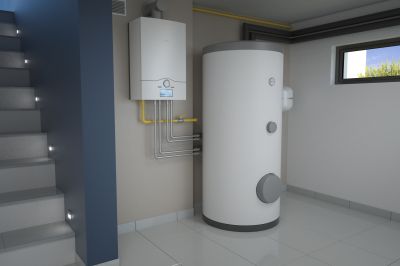
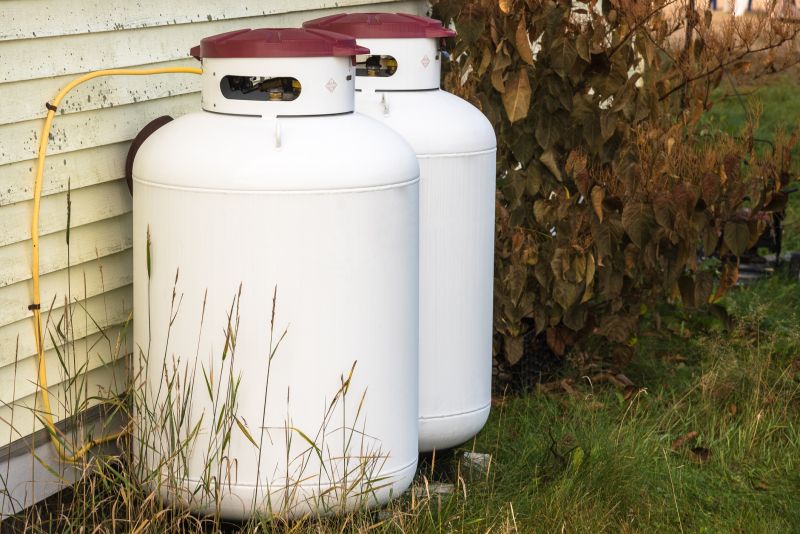
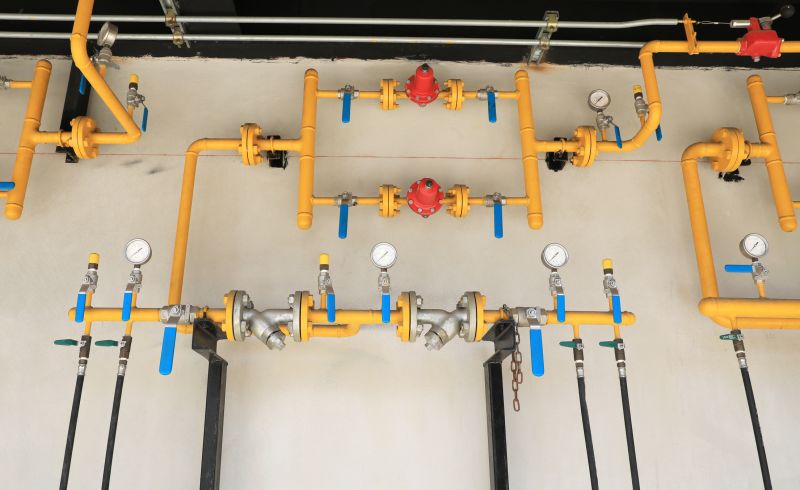
Propane line installation involves setting up a system of pipes that safely deliver propane gas from a storage tank to various appliances within a property. This service typically includes assessing the property’s layout, designing an efficient piping route, and installing durable, high-quality lines that meet safety standards. Proper installation ensures that propane can be supplied reliably for heating, cooking, water heating, or outdoor grilling, providing homeowners with a convenient and efficient energy source.
This service helps resolve common issues such as inadequate or unsafe propane supply, leaks, or outdated piping systems that no longer meet safety or performance standards. Installing new propane lines can prevent dangerous leaks, improve the efficiency of propane-powered appliances, and ensure compliance with local safety codes. Whether upgrading an existing system or installing a new one, professional propane line installation provides peace of mind by ensuring the system functions safely and effectively.
Properties that typically utilize propane line installation include single-family homes, multi-unit residences, and even some commercial properties that rely on propane for heating, cooking, or other energy needs. Rural homes without access to natural gas often depend on propane, making a reliable pipeline essential. Additionally, properties with outdoor kitchens, fire pits, or backup generators may require dedicated propane lines to support their outdoor or emergency energy requirements.
Homeowners who are expanding their use of propane appliances, replacing old or damaged piping, or building new structures often seek propane line installation services. This work is also common when upgrading to more efficient heating or cooking systems that depend on a steady, safe supply of propane. Connecting with experienced local contractors can help ensure the installation is done correctly, providing a dependable energy source tailored to the specific needs of each property.
The overview below groups typical Propane Line Installation projects into broad ranges so you can see how smaller, mid-sized, and larger jobs often compare in your area.
In many markets, a large share of routine jobs stays in the lower and middle ranges, while only a smaller percentage of projects moves into the highest bands when the work is more complex or site conditions are harder than average.
Smaller Repairs - Minor propane line repairs or replacements typically cost between $250 and $600. Many routine jobs fall within this range, covering tasks like fixing leaks or replacing small sections of pipe. Larger or more complex repairs can sometimes exceed this range.
Line Extensions - Extending existing propane lines usually costs between $600 and $1,500. This range is common for mid-sized projects, such as adding new outlets or extending lines to additional appliances, with fewer projects reaching the higher end.
Full Line Replacement - Replacing an entire propane line system generally ranges from $2,000 to $5,000. Larger, more intricate installations or upgrades can push costs beyond this, especially in complex property layouts.
New Propane System Installation - Installing a complete propane system for a new property typically costs $3,500 to $8,000. While many projects stay within this range, larger homes or extensive systems can incur higher costs depending on scope and site conditions.
Actual totals will depend on details like access to the work area, the scope of the project, and the materials selected, so use these as general starting points rather than exact figures.
Natural Gas Line Installation - professionals who install natural gas lines often have similar skills and tools used in propane line setup, ensuring proper planning and safety measures.
LP Gas Tank Installation - setting up propane tanks requires knowledge of line connections and safety protocols, making it related to propane line installation projects.
Outdoor Kitchen Plumbing - installing plumbing for outdoor kitchens involves precise line installation and planning, similar to propane line work.
Gas Fireplace Line Installation - connecting gas lines for fireplaces involves similar planning, safety considerations, and equipment as propane line services.
Water Line Plumbing - installing water supply lines shares skills in trenching, pipe fitting, and system planning with propane line installation.
Heating System Gas Line Setup - connecting gas lines for heating systems requires careful installation and planning, paralleling propane line services.
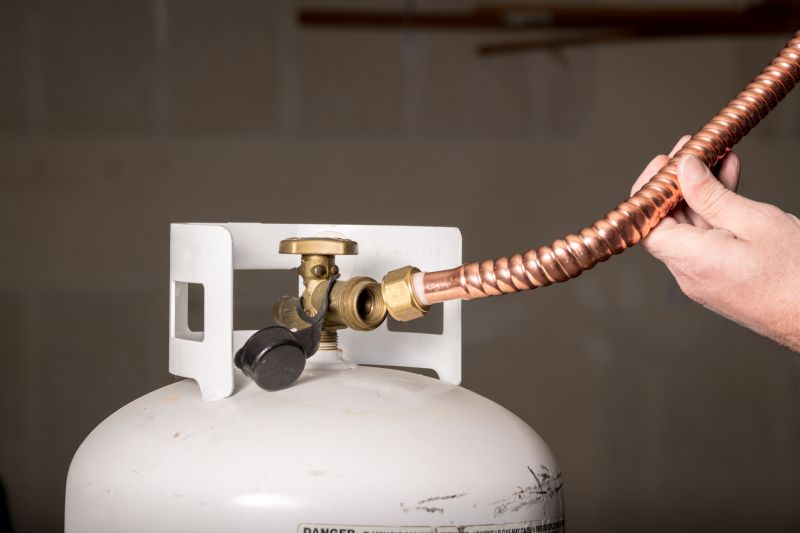
When selecting a contractor for propane line installation, it’s important to consider their experience with similar projects. Homeowners should inquire about how long the service provider has been working on propane line installations and whether they have handled projects comparable in size and scope. A contractor with a proven track record in this area can often demonstrate familiarity with the specific requirements and challenges of propane line work, which can contribute to a smoother process and quality results.
Clear, written expectations are essential for ensuring that both the homeowner and the contractor are aligned on the scope of work. It’s advisable to discuss and document details such as the extent of the installation, materials to be used, and any specific preferences or concerns. Having these expectations in writing can help prevent misunderstandings and provide a basis for evaluating the contractor’s professionalism and attention to detail.
Reputable references and effective communication are also key factors to consider. Homeowners should seek out service providers with positive references from previous clients who can speak to their reliability and quality of work. Good communication throughout the process-such as responsiveness to questions and clarity in explanations-can make a significant difference in the overall experience. These qualities help ensure that the project proceeds smoothly and that any issues are addressed promptly, leading to a successful propane line installation.
Property owners use Propane Line Installation services for practical projects around their homes and businesses. This guide focuses on everyday jobs and straightforward project options.
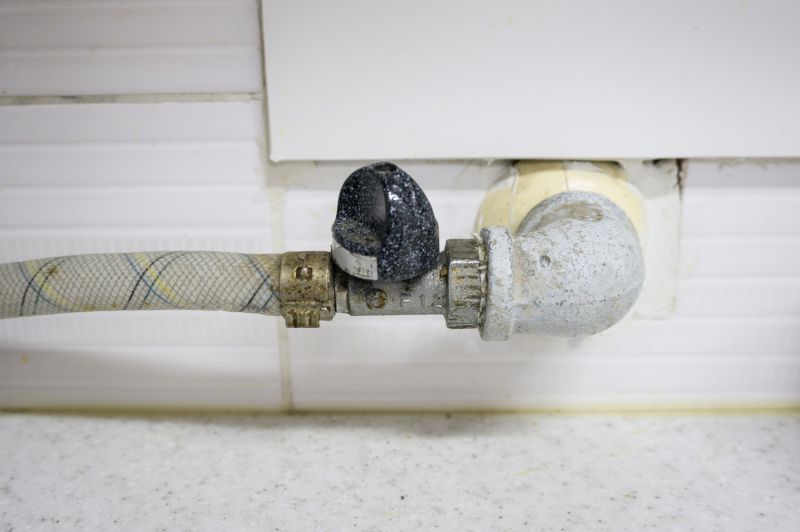
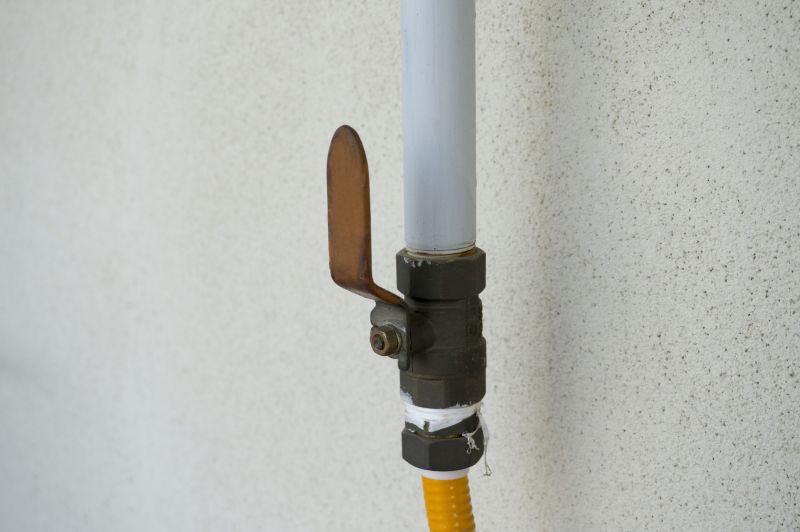
Propane line installation is a common project for property owners who are setting up new appliances, outdoor heating systems, or backup power sources that rely on propane. Homeowners and business owners in the area might seek out local contractors to ensure their propane lines are installed safely and efficiently, especially when upgrading existing systems or expanding their propane usage. Whether it's connecting a new grill, installing a patio heater, or setting up a larger propane tank, local service providers are equipped to handle these everyday needs.
Many property owners look for professional propane line installation when they want a reliable and proper setup for their fueling needs. This can include replacing outdated lines, extending existing pipelines, or installing new ones for renovations or additions. Local contractors are familiar with the specific requirements of the area and can help ensure the propane lines are installed correctly to support various residential or commercial applications.
What is involved in propane line installation? Propane line installation typically includes planning the route, trenching if necessary, and securely connecting the propane supply to appliances or tanks. Local contractors handle these steps to ensure proper setup and safety compliance.
Are there different types of propane lines available? Yes, propane lines come in various materials and sizes depending on the application, such as flexible hoses or rigid piping. Service providers can recommend the appropriate type for specific needs.
How do I know if my property needs a new propane line? Signs that a new propane line may be needed include frequent leaks, outdated piping, or new appliances requiring a connection. Local contractors can assess the site and advise on installation options.
What safety considerations are involved in propane line installation? Proper installation involves secure connections, leak testing, and adherence to safety standards. Experienced service providers ensure these safety measures are followed during the process.
Can existing propane lines be modified or extended? Yes, existing propane lines can often be modified or extended by qualified contractors to accommodate new appliances or changes in property layout, ensuring continued safe operation.
Propane Line Installation for Outdoor Kitchens - Installing a propane line can enable a property owner to power outdoor grills, fire pits, or heaters for enhanced outdoor living experiences.
Connecting Propane Lines for Heating Systems - Proper installation of propane lines allows for safe and efficient operation of home heating appliances like furnaces or water heaters.
Adding Propane Lines for Recreational Vehicles - Property owners with RV parking spaces can have local contractors set up propane lines to supply fuel for appliances and cooking needs.
Installing Propane Lines for Emergency Backup Power - Propane lines can be used to connect backup generators, providing a reliable energy source during power outages.
If you are thinking about Propane Line Installation for a property, this guide is meant to help you understand the work, the typical project types, and how different options might fit your plans.
When you are ready, you can use the quote form on this page to share a few details about your project. From there, local pros can review the basics and respond with options that match what you have in mind.